Driveshafts

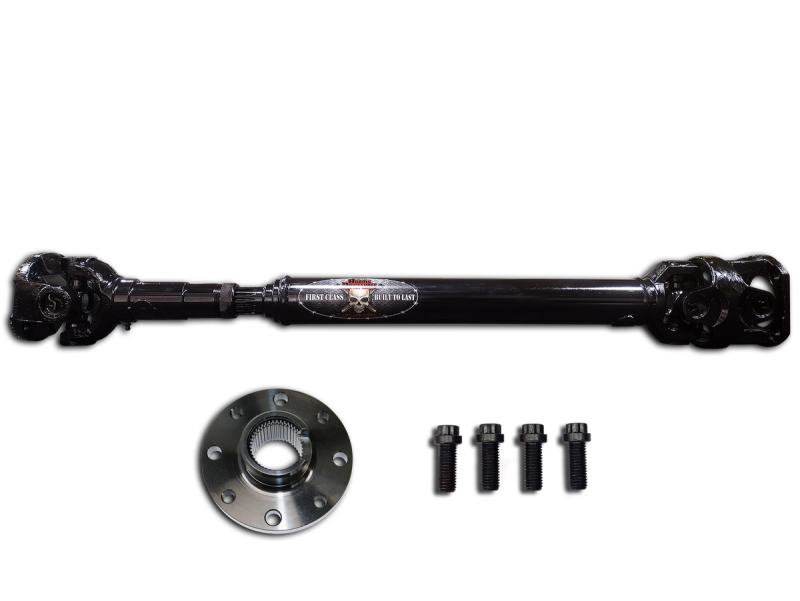
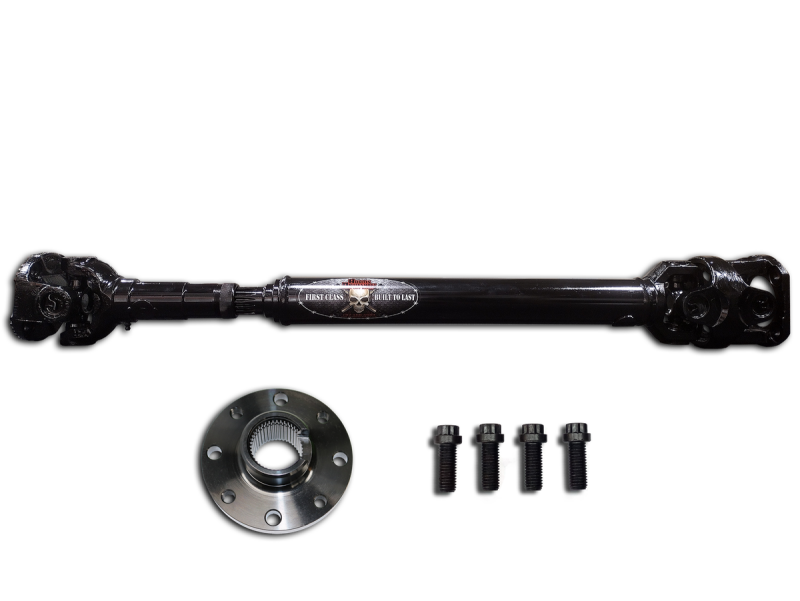
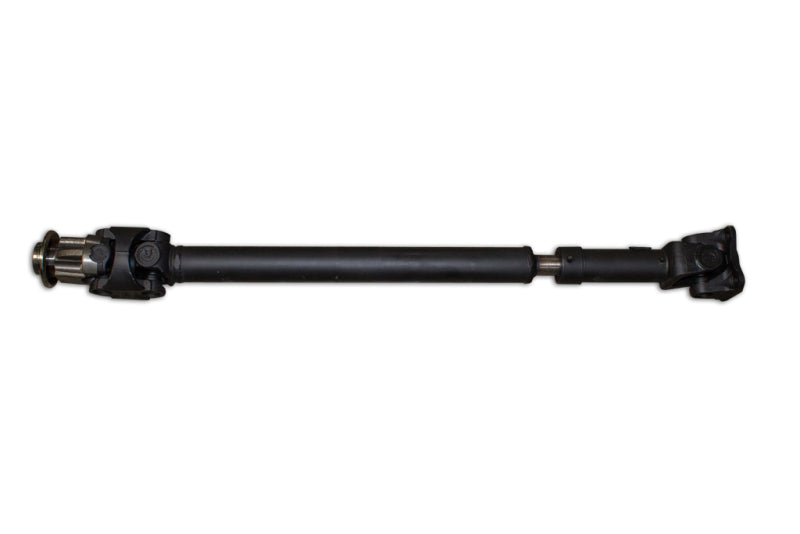
Shockkingz carries driveshaft options, including high performance driveshaft upgrades for high-torque and heavy-duty builds. A driveshaft transfers power from the transmission or transfer case to the differential, allowing the wheels to turn. It uses universal joints (U-joints) and a slip yoke to accommodate suspension movement while maintaining smooth power delivery. Proper balance and correct fitment are essential to prevent vibrations, premature wear, and drivetrain issues, especially on lifted vehicles. Performance driveshafts made from aluminum or carbon fiber reduce rotational weight, improve strength, and handle higher torque, making them a popular upgrade for off-road, towing, and high-performance applications.


Why Choose Our Driveshafts

1. Handles higher torque loads than a stock shaft on modified or towing-heavy builds

2. Reduces rotational weight with aluminum or carbon fiber construction options

3. Corrects working angle issues that come with a lift or drivetrain change

4. Precision balanced to reduce vibration at highway speed

5. Available in single, two-piece, or three-piece configurations depending on length

6. Fits a wide range of trucks, SUVs, and performance vehicle platforms

Features of Driveshafts

1. Constructed from steel, aluminum, or carbon fiber depending on weight and torque needs

2. U-joints or CV-style joints allow flex as the suspension articulates

3. Slip yoke design accommodates small changes in length during travel

4. Center support bearings used on multi-piece shafts to control vibration

5. Precision balanced at the factory to minimize high-speed vibration

6. Vehicle- and drivetrain-specific fitment based on length and joint style


Frequently Asked Questions

It transfers torque from the transmission or transfer case to the differential, turning the wheels.
Usually aluminum or carbon fiber, reducing rotational weight while handling more torque than steel.
Usually an imbalance, worn u-joint, or a working angle pushed too far after a lift.
Often yes, since a lift changes the u-joint operating angle beyond factory tolerance.
Yes. Length, joint style, and yoke type all depend on the exact drivetrain combination.

Filters

Sort by: