

Sway bar brackets play a crucial role in vehicle suspension, ensuring better stability, control, and handling. Whether you are upgrading your suspension system or replacing worn-out components, understanding the differences between sway bar brackets and standard mounts can help you make an informed decision. This article delves into the key distinctions, benefits, and applications of sway bar brackets.
What Are Sway Bar Brackets?
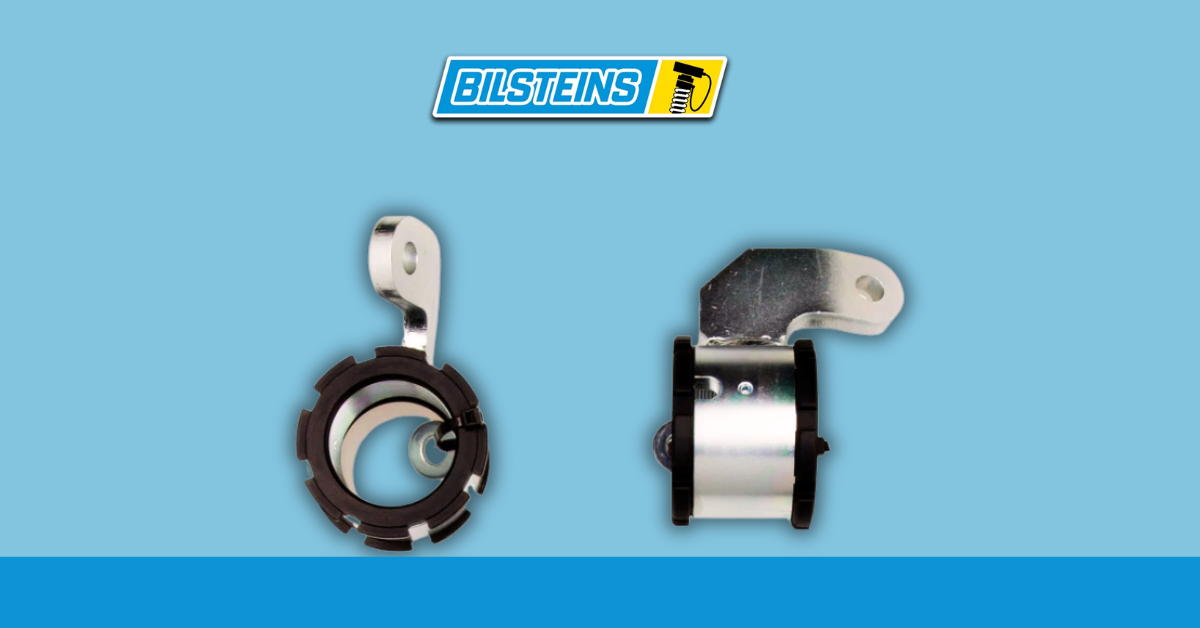
Sway bar brackets are essential components that secure the sway bar to the chassis of a vehicle. They help distribute the force evenly across the suspension system, minimizing body roll when cornering. These brackets are commonly used in performance vehicles and off-road applications where enhanced stability is needed.
Functions of Sway Bar Brackets
- Provide a firm connection between the sway bar and vehicle frame
- Reduce excessive body roll and improve cornering stability
- Enhance traction and control, especially in high-speed turns
- Help maintain proper wheel alignment during suspension movement
Standard Mounts: How Do They Compare?
Standard mounts, often referred to as factory mounts, are the original equipment manufacturer (OEM) brackets that come with most vehicles. While they are designed to provide a basic level of support, they may not offer the same performance benefits as aftermarket sway bar brackets.
Differences Between Standard Mounts and Sway Bar Brackets
- Material Composition: Standard mounts are typically made from stamped steel, whereas sway bar brackets are often constructed from reinforced materials like billet aluminum or heavy-duty steel for added strength.
- Durability: Aftermarket sway bar brackets tend to be more durable and resistant to wear and tear compared to standard mounts.
- Performance Enhancement: Sway bar brackets are engineered to provide better handling, reducing excessive body movement that standard mounts might not effectively manage.
- Customization Options: Many aftermarket sway bar brackets come with adjustable features, allowing drivers to fine-tune suspension settings.
Benefits of Upgrading to Sway Bar Brackets
Upgrading from standard mounts to sway bar brackets can significantly improve a vehicle’s suspension performance. Here are some advantages of making the switch:
Improved Handling and Stability
Sway bar brackets offer a more rigid connection, reducing body roll and enhancing the overall driving experience. This is especially beneficial for sports cars and off-road vehicles that require precise handling.
Increased Durability
Unlike standard mounts, which may wear out over time, sway bar brackets are designed to withstand harsh driving conditions and heavy loads, making them a long-term investment.
Enhanced Ride Comfort
A well-secured sway bar contributes to smoother rides by evenly distributing weight across the vehicle's suspension system, minimizing sudden jolts and vibrations.
Customization and Adjustability
Many sway bar brackets come with adjustable settings, allowing vehicle owners to modify suspension stiffness based on driving needs. This feature is particularly useful for performance enthusiasts and off-road adventurers.
Choosing the Right Sway Bar Brackets
When selecting sway bar brackets for your vehicle, consider the following factors:
Vehicle Type and Driving Conditions
Different brackets are designed for various driving environments, such as street driving, racing, or off-road trails. Ensure you choose brackets that match your driving style and vehicle specifications.
Material and Build Quality
Opt for high-quality materials like billet aluminum or reinforced steel to ensure maximum durability and performance.
Compatibility
Ensure the sway bar brackets you purchase are compatible with your vehicle’s make and model to avoid installation issues.
Brand Reputation
Reputable brands, such as those found at Bilstein, offer high-quality suspension components that enhance vehicle performance and safety.
Installation Guide for Sway Bar Brackets
Installing sway bar brackets can be a straightforward process with the right tools and knowledge. Follow these steps for a hassle-free installation:
Tools Required
Wrench set, Socket set, Torque wrench, Jack stands, Lubricant
Step-by-Step Installation Process
- Lift the Vehicle: Use jack stands to safely elevate the car and access the sway bar area.
- Remove Existing Mounts: Unscrew and detach the standard mounts from the sway bar and chassis.
- Position the New Sway Bar Brackets: Align the new brackets with the existing sway bar.
- Secure the Brackets: Use the appropriate bolts to fasten the sway bar brackets securely.
- Torque to Specifications: Use a torque wrench to tighten the bolts to the manufacturer’s recommended settings.
- Test for Stability: Lower the vehicle and perform a test drive to ensure improved handling and stability.
Common Issues and Troubleshooting
Even with high-quality sway bar brackets, occasional issues may arise. Here are some common problems and their solutions:
Noise or Creaking Sounds
Solution: Apply lubricant to the sway bar bushings and ensure all bolts are tightened properly.
Uneven Handling
Solution: Check for misalignment and adjust the brackets accordingly.
Loose Brackets
Solution: Re-tighten bolts and use thread-locking compound to prevent loosening over time.
Conclusion
Sway bar brackets provide significant advantages over standard mounts, particularly in terms of durability, performance, and handling. Whether you drive a sports car, an off-road vehicle, or a daily commuter, upgrading to high-quality sway bar brackets can enhance your driving experience. For top-tier sway bar brackets and suspension components, explore Bilsteins and get a wide range of high-performance parts tailored to your needs.





Leave a comment
This site is protected by hCaptcha and the hCaptcha Privacy Policy and Terms of Service apply.