
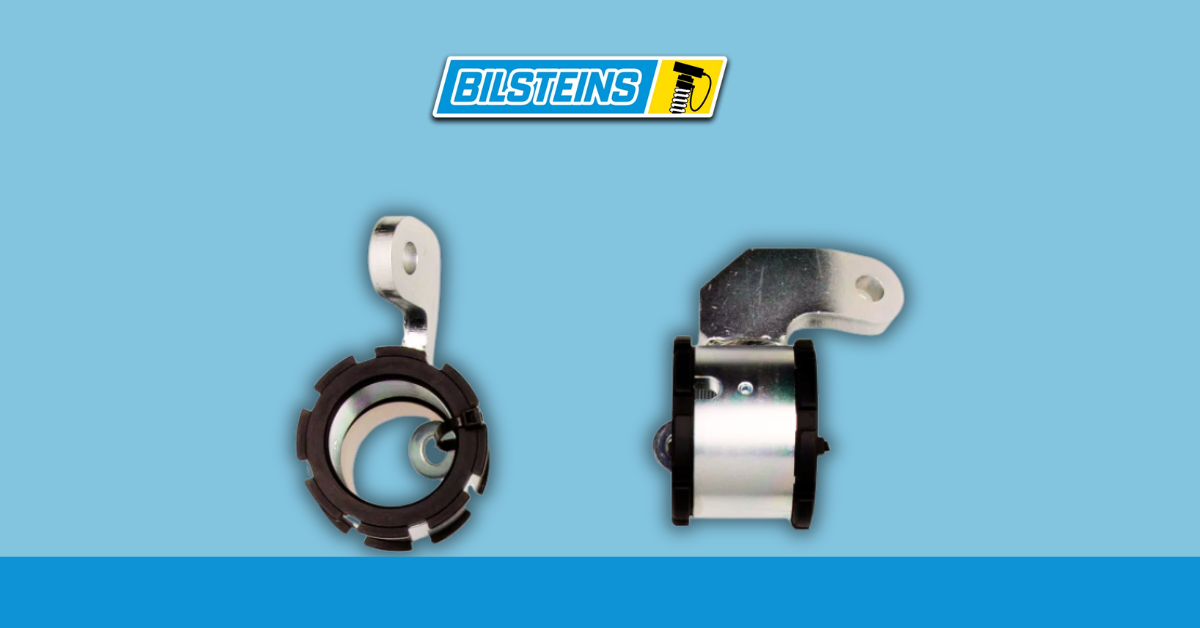
Sway bar brackets are crucial components of a vehicle's suspension system, helping to maintain stability and control while driving. When these brackets wear out or become damaged, they can lead to handling issues, excessive noise, and even safety concerns. In this blog, we will explore the top signs that indicate your sway bar brackets need replacement and why timely maintenance is essential.
What Are Sway Bar Brackets?
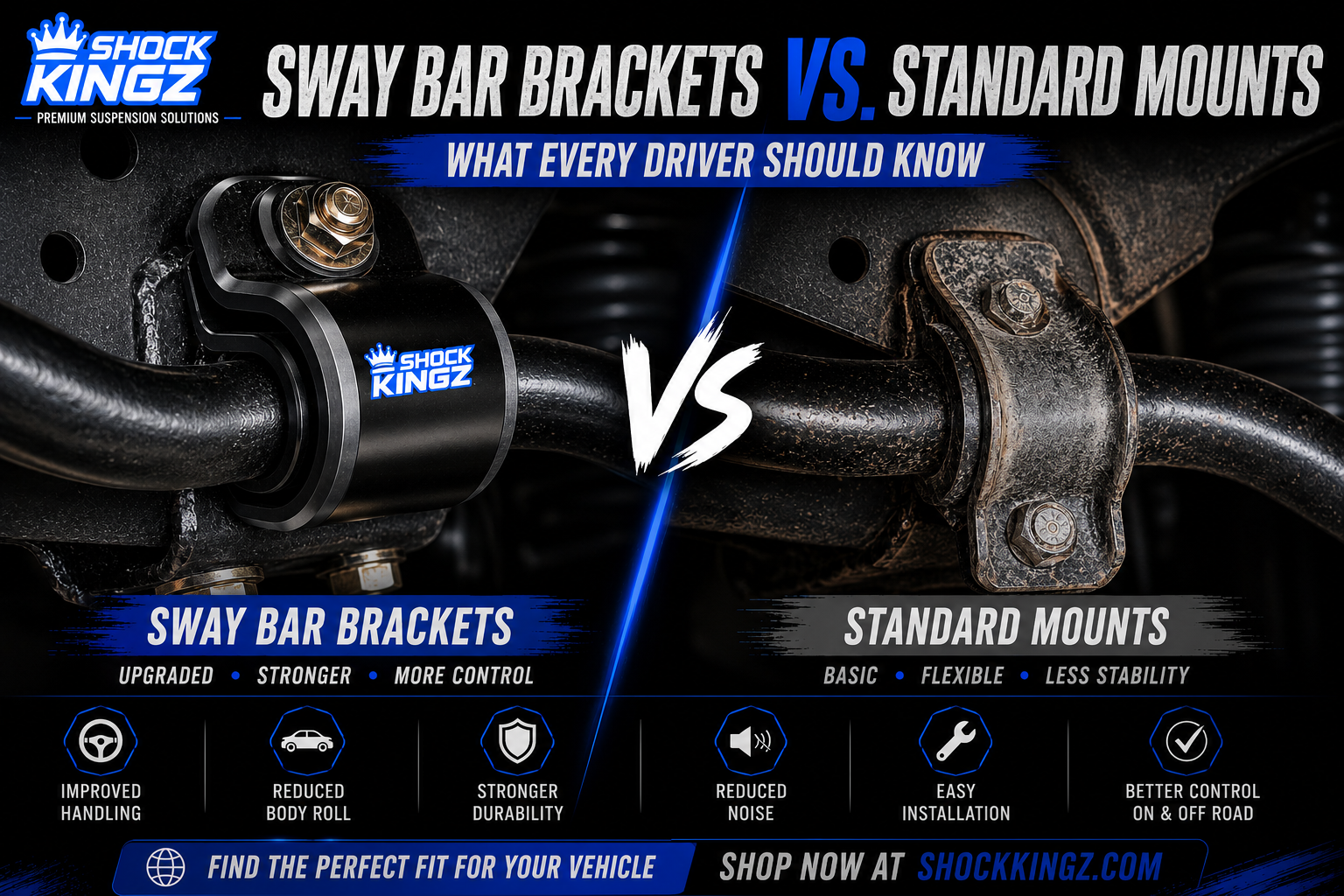
Sway bar brackets are metal components that secure the sway bar to the vehicle’s frame. The sway bar, also known as the stabilizer bar, helps minimize body roll when taking sharp turns or driving on uneven roads. The brackets hold the sway bar firmly in place, ensuring that it performs optimally.
Importance of Sway Bar Brackets
The function of sway bar brackets is vital in enhancing the stability of a vehicle. When these brackets fail, the sway bar cannot function properly, which may lead to excessive body movement, poor handling, and potential safety risks. Regular inspection of these components can help prevent costly repairs and ensure a smoother driving experience.
Top Signs Your Sway Bar Brackets Need Replacement
Recognizing the warning signs of failing sway bar brackets can help you avoid severe suspension issues. Below are some of the most common indicators that suggest it's time to replace your sway bar brackets.
1. Clunking or Rattling Noises
One of the most noticeable symptoms of worn-out sway bar brackets is a clunking or rattling noise coming from the suspension, especially when driving over bumps or making turns. This noise occurs because the brackets no longer secure the sway bar properly, causing it to move excessively.
2. Poor Handling and Stability Issues
If your vehicle feels unstable, leans excessively in turns, or does not handle as well as before, damaged sway bar brackets could be the cause. When these brackets fail, the sway bar loses its ability to control body roll effectively, leading to a less responsive and less safe driving experience.
3. Uneven Tire Wear
Faulty sway bar brackets can contribute to uneven tire wear. When the sway bar is not securely mounted, it affects the alignment and balance of the vehicle, causing some tires to wear down faster than others. Regularly inspecting your tires can help identify suspension issues early.
4. Visible Damage or Corrosion
A visual inspection of the sway bar brackets can also reveal signs of wear and tear. If you notice cracks, rust, or other damage on the brackets, it's a clear indication that they need replacement. Corroded brackets can weaken over time, leading to potential failures while driving.
5. Looseness in the Suspension System
If you feel excessive movement or looseness in your suspension system when steering or braking, failing sway bar brackets could be the culprit. When these brackets wear out, they allow unnecessary movement, reducing the effectiveness of the sway bar in stabilizing the vehicle.
Why Replacing Sway Bar Brackets is Important
Ignoring damaged sway bar brackets can lead to more severe issues within the suspension system. Replacing them promptly ensures your vehicle remains stable, handles properly, and provides a safe driving experience. Here are some key reasons why replacing worn-out brackets is essential:
- Enhanced Stability: New sway bar brackets help keep the sway bar in place, improving overall stability.
- Better Handling: Properly functioning brackets contribute to smoother and more controlled turns.
- Preventing Further Damage: Replacing faulty sway bar brackets can prevent damage to other suspension components, saving you money on costly repairs.
- Increased Safety: A stable vehicle reduces the risk of accidents caused by poor handling and excessive body roll.
How to Replace Sway Bar Brackets
If you've identified any of the warning signs mentioned above, it may be time to replace your sway bar brackets. While professional assistance is always recommended, some experienced DIY enthusiasts can replace these brackets with the right tools and guidance.
Step-by-Step Guide to Replacing Sway Bar Brackets
- Lift the Vehicle: Secure the vehicle on jack stands to access the sway bar brackets safely.
- Remove the Old Brackets: Use appropriate tools to remove the bolts securing the old brackets.
- Inspect the Sway Bar: Check for any damage or wear on the sway bar before installing new brackets.
- Install New Brackets: Align the new sway bar brackets and tighten the bolts securely.
- Test the Suspension: Lower the vehicle and take a test drive to ensure proper installation and functionality.
Final Thoughts
Recognizing the signs of failing sway bar brackets and replacing them in a timely manner is crucial for maintaining your vehicle's handling, stability, and overall safety. Regular inspections and proper maintenance can prevent unnecessary repairs and ensure a smooth driving experience. If you're unsure about replacing the brackets yourself, consider seeking professional assistance to guarantee the best results.
For high-quality sway bar brackets and other suspension components, explore Bilsteins to see the wide range of durable and reliable products.







Leave a comment
This site is protected by hCaptcha and the hCaptcha Privacy Policy and Terms of Service apply.