
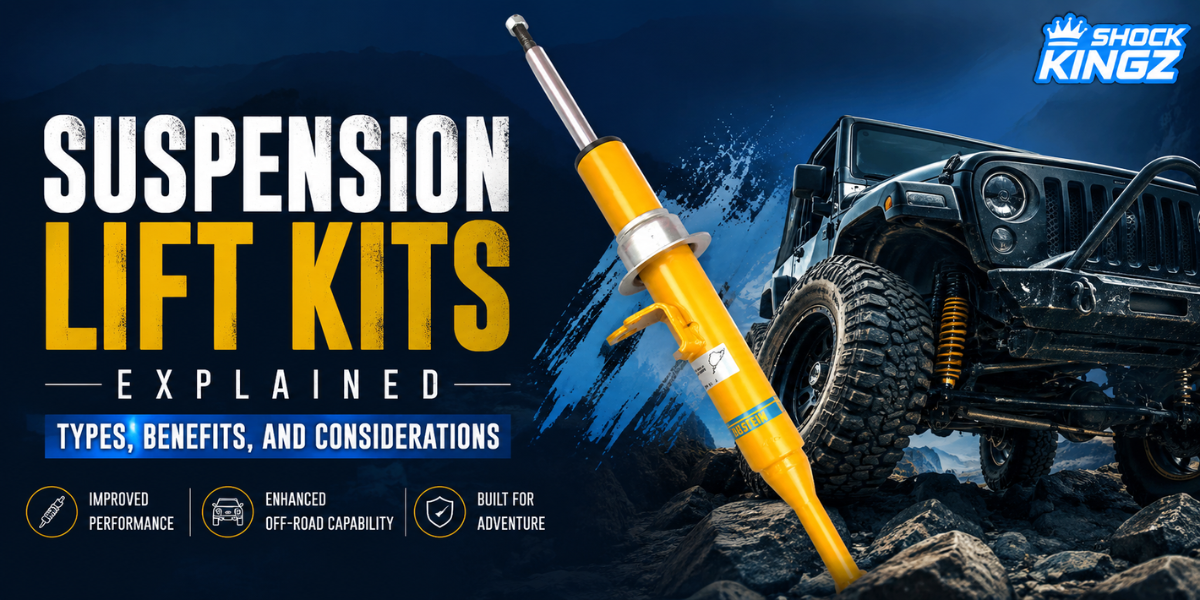
There are three main types of suspension lift kits: body lifts, which raise the body off the frame using spacer blocks; leveling kits, which raise only the front end to match factory rear ride height; and full suspension lifts, which replace or extend suspension components like springs, shocks, and control arms to raise the entire vehicle including its ground clearance. Each addresses a different problem, and choosing the wrong one is one of the more common mistakes truck owners make when shopping by height alone rather than by what they actually need.
Understanding the differences matters because these three options aren't interchangeable despite often being marketed alongside each other under the broader umbrella of aftermarket suspension systems. A body lift and a full suspension lift can produce a similar visual height gain while doing almost entirely different things mechanically, and that difference has real consequences for handling, ground clearance, and cost.
The Three Types of Suspension Lift Kits
A body lift works by inserting spacer blocks between the truck's body and its frame, raising the body and creating more room around the tires without touching the suspension itself. It's the simplest and generally least expensive option, but because the frame itself doesn't move, it doesn't improve ground clearance under the axles or frame rails, the areas that actually matter most for off-road obstacle clearance.
A leveling kit addresses a specific factory characteristic: many trucks ship with a slight rearward rake, where the front sits lower than the rear to account for load capacity. A leveling kit raises the front a few inches to match the rear, correcting that rake and allowing for larger tires without significantly altering the underlying suspension geometry or ground clearance elsewhere.

A full suspension lift changes the actual suspension components, springs, shocks, and often control arms, to raise the entire vehicle, frame included. This is the option that meaningfully increases ground clearance and can improve approach and departure angles for off-road use, but it's also the most complex and expensive of the three, and it changes suspension geometry enough that professional alignment and, in some cases, driveline adjustment become necessary.
Comparison: Height Gain, Complexity, and Cost
Here's how the three types compare at a glance:
|
Lift Kit Type |
Height Gain |
Complexity |
Best Use Case |
|---|---|---|---|
|
Body Lift |
~1–3 in. |
Low (often DIY-friendly) |
Room for bigger tires on a modest budget |
|
Leveling Kit |
~1–3 in. (front only) |
Low to medium |
Correcting factory rake, modest tire clearance |
|
Full Suspension Lift |
~2–8+ in. |
High (professional install recommended) |
Genuine off-road ground clearance |
How Each Type Affects Geometry and Alignment
Geometry changes are where these three options diverge most in practical terms. A body lift leaves suspension geometry essentially untouched, since the frame and suspension components stay exactly where they were; the truck simply sits higher visually. A leveling kit makes a modest geometry change at the front end, which is usually manageable with a standard alignment afterward.
A full suspension lift is a different situation entirely. Raising the frame changes control arm angles, track bar positioning, and often driveline angle, all of which affect handling and can cause premature wear on suspension components and tires if alignment isn't corrected properly afterward. This is also why full lifts frequently require additional parts, extended brake lines, adjustable track bars, or driveshaft spacers, that aren't necessary with the other two options.
Ground Clearance: What Actually Changes
It's worth being direct about a common point of confusion: not every lift kit increases usable ground clearance. A body lift raises the body and creates room for larger tires, but the frame, differential, and other low-hanging components stay at their original height, meaning obstacle clearance during off-road driving doesn't meaningfully improve. A leveling kit similarly does little to change clearance beyond the front end's ride height.
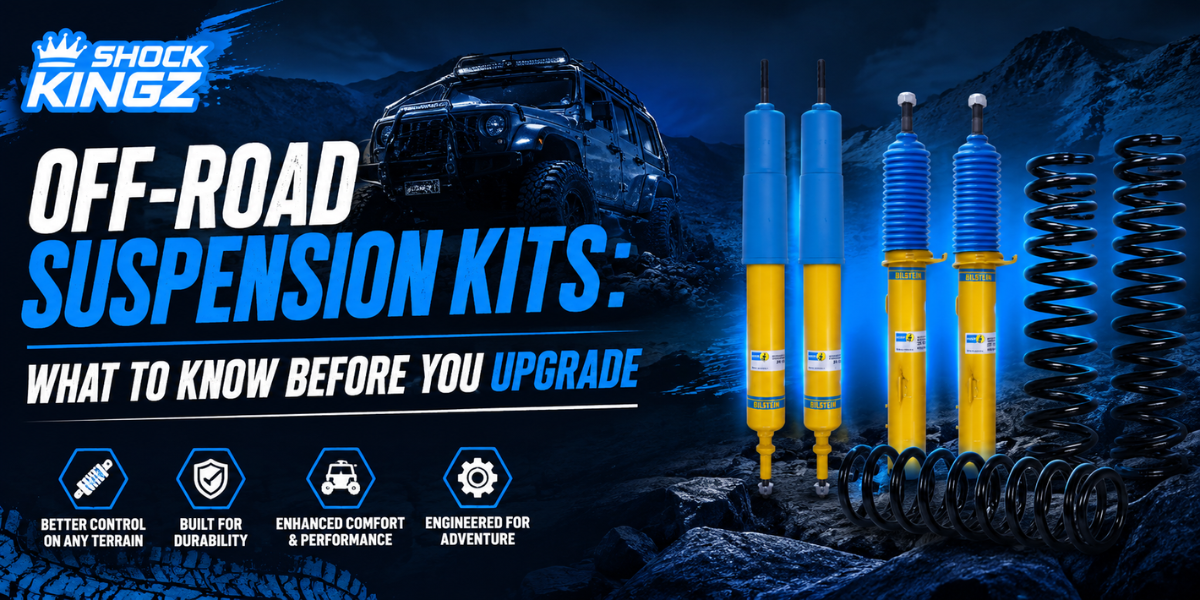
A full suspension lift is the only one of the three that raises the frame itself, which is what actually improves clearance under the vehicle for approach, departure, and breakover angles on rough terrain. If the goal is genuine off-road capability rather than a taller stance or room for bigger tires, a full suspension lift, or a dedicated off-road suspension kit built around the same principle, is the option that addresses that goal directly. For a full breakdown of what's included in a dedicated off-road suspension kit, our companion guide covers the components in more detail.
Choosing the Right Type for Your Truck
The right choice comes down to matching the kit to the actual goal rather than the most dramatic height gain available. A body lift suits owners who mainly want room for larger tires without touching handling or budget significantly. A leveling kit suits owners correcting factory rake and wanting a modest, affordable improvement in stance and tire clearance. A full suspension lift suits owners who need genuine ground clearance gains for regular off-road use and are prepared for the added cost and complexity that comes with it.
None of these options is universally "better" than the others; they solve different problems. Truck suspension upgrades work best when the type of kit matches the actual use case, daily driving with bigger tires, correcting factory rake, or serious off-road capability, rather than being chosen on visual height gain alone.
Suspension components across all three lift types eventually need inspection regardless of which path you choose, and understanding what each type actually changes mechanically, not just how tall the truck ends up, is what separates an informed upgrade from a purely cosmetic one.
Call to Action
Ready to compare options for your build? Shockkingz carries suspension lift kits and off-road suspension kits to help you find the right fit for your goals.
Frequently Asked Questions
Q1. What types of suspension lift kits are there?
There are three main types: body lifts, which raise the body off the frame using spacer blocks; leveling kits, which raise the front to match factory rear ride height; and full suspension lifts, which raise the entire vehicle including the frame for genuine ground clearance gains.
Q2. Does a body lift improve ground clearance?
Not meaningfully. A body lift raises the body and creates room for larger tires, but the frame, differential, and other low-hanging components stay at their original height, so obstacle clearance during off-road driving doesn't significantly change.
Q3. Is a leveling kit the same as a lift kit?
No. A leveling kit only raises the front of the vehicle to match the rear, correcting factory rake, while a full suspension lift raises the entire vehicle and changes suspension geometry more significantly.
Q4. Do I need an alignment after installing a full suspension lift?
Yes. Raising the frame changes control arm angles and track bar positioning, which requires a professional alignment afterward to prevent uneven tire wear and maintain proper handling.
Q5. How much height do the different lift kit types typically add?
Leveling kits typically add a few inches to the front only, body lifts commonly add roughly one to three inches, and full suspension lifts can range from about two to eight inches or more depending on the kit.




Leave a comment
This site is protected by hCaptcha and the hCaptcha Privacy Policy and Terms of Service apply.