
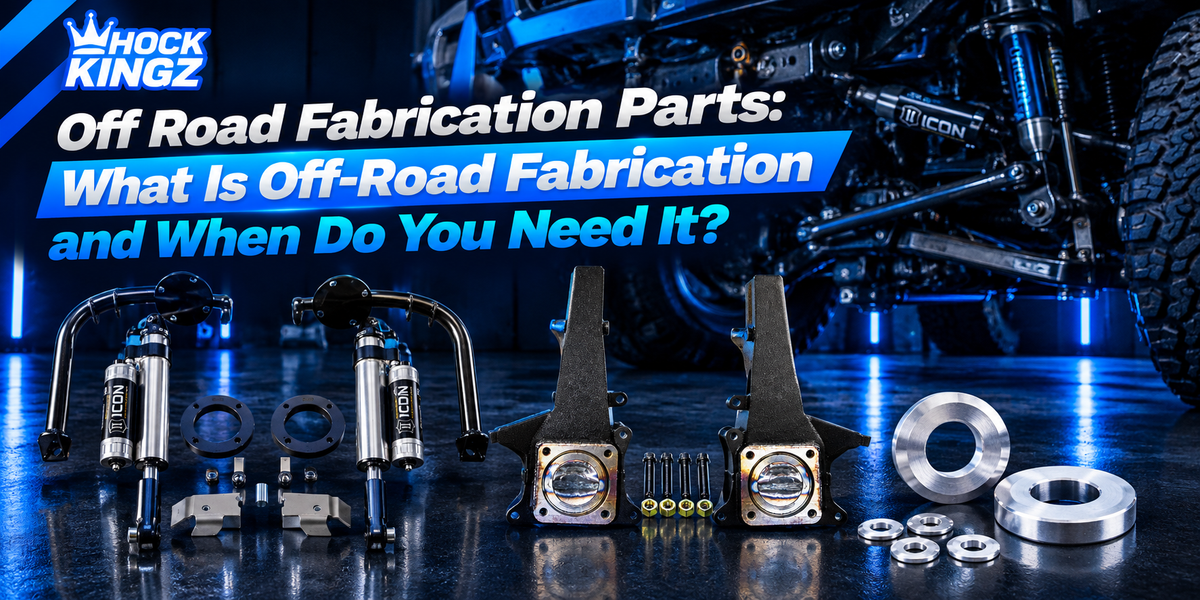
Off-road fabrication means cutting, shaping, welding, or bolting together custom metal parts when no bolt-on product fits your build. You need it when your plans go beyond what kits are made for, such as custom links, relocated shock mounts, removable bumpers or cages, and one-off brackets. Most trucks with a standard lift or leveling kit do not need it. This guide explains what off road fabrication parts are, how to tell when you need them, and what to check before you buy.
What Is Off-Road Fabrication?
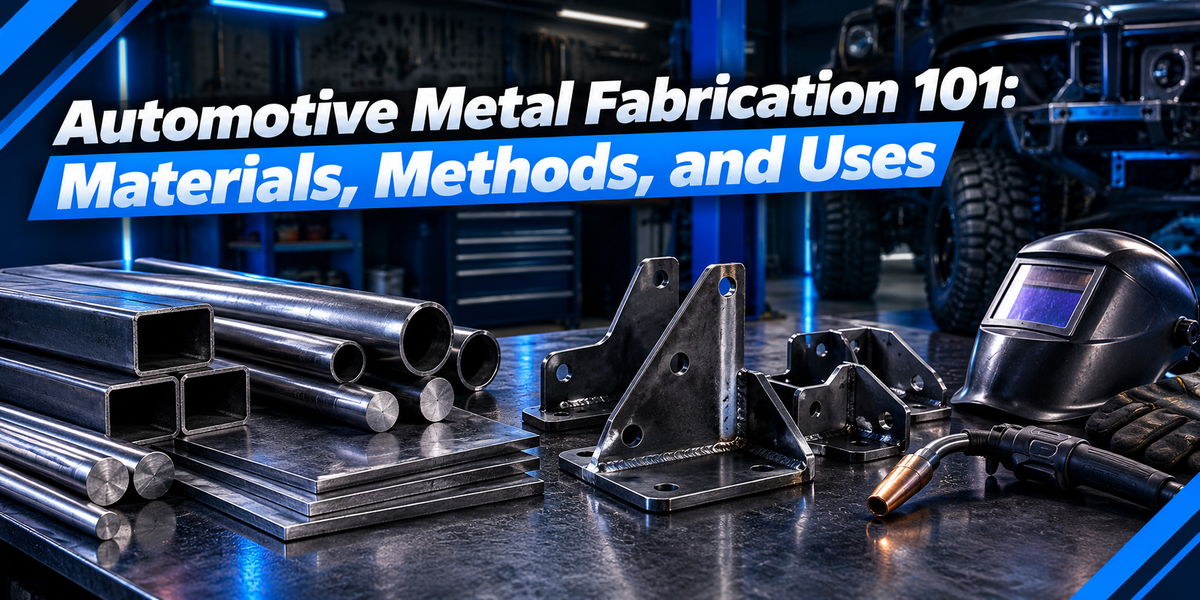
Fabrication is building or modifying a part instead of installing one made for your exact vehicle. In off-road work, that usually means tubing, brackets, and mounts that are cut, fitted, and welded or clamped into place.

Bolt-on kits are engineered for a specific platform and use factory mounting points. Fabrication starts where those kits end. You are responsible for the design, geometry, and fit, which is why it rewards planning and skill.
What Are Off Road Fabrication Parts?
Fabrication parts are the building blocks used in custom work. They differ from complete kits because they are usually sold by size and function, not by vehicle.
Examples in the Shockkingz fabrication collection include Camburg 4130 chromoly tube clamps, weld-on and bolt-on clamp mounts, and threaded bungs. The collection also lists hardware, hose assemblies, and air-spring fittings. Availability changes, so check the live page.
Camburg describes its tube clamps as machined from 4130 chromoly. It says smaller sizes use an overlapping flat joint and larger sizes use an interlocking stepped joint, so appearance varies by size.
Planning a Custom Build?
Browse the fabrication components collection and filter by part type to compare available sizes and options for your project.
Browse Fabrication Components →When Do You Need Off-Road Fabrication?
You likely need it in these situations:
- No kit exists for your platform. Older or less common vehicles may have no bolt-on option.
- You are changing the suspension design. Custom links or long-travel layouts require parts built to your geometry.
- You want removable structures. Tube clamps let you take off a section for engine access or maintenance.
- You are mounting accessories to tubing. Clamp mounts give you a place to attach components.
- You are repairing or reinforcing. Damaged mounts or tubes may need a fabricated fix.
You probably do not need it if you want a taller stance, bigger tires, or a level front end. A kit built for your truck is usually simpler. Our guide to suspension lift kits explains the types and trade-offs, and the lift kits collection lists options by vehicle.
Bolt-on kit or custom fabrication?
What Skills and Safety Limits Apply?
Custom metal parts fabrication takes real skill, and some of it affects safety. Suspension links, mounts, and cages carry loads, so a poor weld is not just a cosmetic flaw.
Lincoln Electric says 4130 chromoly can be TIG welded and has been in aerospace and aircraft work for years. It advises cleaning the material first, and notes that thin-wall tubing under 0.120 inches does not typically need the usual preheat. Thicker sections call for more care. Treat this as background, not a welding procedure. For anything safety-critical, use a qualified welder.
Rules on modifications vary by location and sanctioning body. Check local requirements, and ask your insurer how modifications affect coverage.
Geometry matters too. Changing ride height or link layout changes how arms and joints move. Our guide on upper vs lower control arms shows what shifts after a lift. If you would rather not fabricate, browse control arms for bolt-on options.
Where Should a First-Time Builder Start?
Start with the smallest job that teaches you the most. A removable tube section or a simple bracket is a better first project than a full link suspension. Build a mock-up with cardboard or spare tubing, check clearances through the full range of suspension travel, and only then commit to cutting and welding.
If you are unsure, have a fabricator review your plan before you buy parts.
How Do You Choose Fabrication Components?
Use this checklist before ordering metal fabrication parts:
- Define the job first. Sketch the layout and loads before you buy.
- Match tube size. Clamps and bungs are sized to tubing outer diameter and wall thickness. A listing may show a size like 1.75in x .120in, so confirm what each number means.
- Check the material. If you plan to weld, make sure your process and filler suit the material.
- Pick the right thread. Left-hand and right-hand thread options matter for adjustable links.
- Choose bolt-on or weld-on. Weld-on parts need fitting and welding. Bolt-on parts do not, but need suitable mounting surfaces.
- Confirm compatibility. Hoses and fittings must match your shock or air spring brand and port sizes.
- Order a little extra of small parts you may need to re-fit.
Want to see the details? Open a listing such as the Camburg 2in x .095in 4130 billet tube clamp and check size, sold quantity, and fitment notes. Also see our suspension collection if shocks are part of the plan.
Common Mistakes to Avoid
- Fabricating when a bolt-on kit would do the job.
- Ordering clamps or bungs without measuring the tubing.
- Welding safety-critical parts without the skills or equipment.
- Ignoring suspension geometry after changing ride height or link angles.
- Skipping checks on local rules and insurance.
- Assuming a part from one brand suits another brand's system.
Not Sure Where to Start?
Share your vehicle details, goals, and any parts you are considering with the Shockkingz team. We can help you narrow down suitable options and check what fits your setup.
Contact Shockkingz →Frequently Asked Questions
Practical answers about off-road fabrication, custom builds, welding, fitment, and modification considerations.



Leave a comment
This site is protected by hCaptcha and the hCaptcha Privacy Policy and Terms of Service apply.